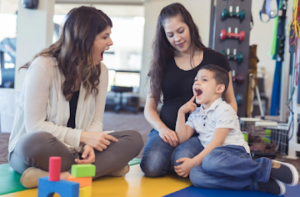
Overview of aba therapy for toddlers
ABA Therapy for Toddlers: What Parents Need to Know
Early childhood is one of the most important periods for brain development, learning, communication, and social growth. Moreover, for toddlers with delays or ASD, aba therapy for toddlers can help build essential skills.
ABA therapy for toddlers uses evidence-based behavioural strategies to teach meaningful skills through structured learning, play-based activities, positive reinforcement, and individualized goals.
At Nexus ABA Therapy, families receive personalized ABA programs designed around each child’s strengths, needs, and daily routines. aba therapy for toddlers is included as part of services. Services are provided at home, school, or daycare settings to help children practice skills in natural environments. Learn more about ABA therapy services available for children and families.
Starting support early does not mean changing who a child is. Instead, early intervention focuses on helping children communicate, participate, learn, and become more independent in ways that are meaningful for them.
What Is ABA Therapy for Toddlers?
ABA therapy (Applied Behaviour Analysis) is a structured approach that focuses on understanding how children learn and how their environment influences behaviour.
For toddlers, ABA therapy often focuses on:
- Communication development
- Language skills
- Social interaction
- Play skills
- Emotional regulation
- Following instructions
- Daily living skills
- Reducing behaviours that interfere with learning
ABA therapists observe a child’s current abilities, identify areas where support is needed, and create individualized teaching strategies.
According to the Centers for Disease Control and Prevention (CDC), early identification and intervention can help children with developmental differences receive support during important developmental years.
Why Does Early Intervention ABA Matter?
Early intervention ABA is important because toddlers are rapidly developing new skills. During the early years, children are learning how to communicate, interact, solve problems, and understand their surroundings.
Early ABA support can help children:
| Development Area | How ABA Therapy Supports Toddlers |
| Communication | Teaches children ways to express needs, wants, and feelings |
| Social Skills | Encourages interaction, sharing, turn-taking, and play |
| Independence | Builds daily routines such as dressing, eating, and hygiene |
| Learning Skills | Improves attention, imitation, and following directions |
| Behaviour Support | Helps children learn appropriate ways to communicate and respond |
Early support also allows parents and caregivers to learn strategies they can use throughout daily routines.
Nexus ABA Therapy includes parent involvement as part of its approach through parent training programs that help families continue supporting their child’s development outside therapy sessions.
What Age Can Toddlers Start ABA Therapy?
Can a 2-Year-Old Receive ABA Therapy?
Yes. ABA therapy for a 2 year old is commonly used when a child shows signs of developmental delays, autism-related challenges, communication difficulties, or behavioural concerns.
At age two, ABA therapy may focus on:
- Learning to request items or activities
- Increasing eye contact and joint attention
- Developing early communication
- Following simple instructions
- Improving play skills
- Building independence
Every child develops differently, so therapy goals should always be based on individual assessment rather than age alone.
Is ABA Therapy Effective for a 3-Year-Old?
Many families begin ABA therapy around age three because children at this stage are developing more advanced communication, social, and learning skills.
ABA therapy age 3 programs may focus on:
- Expanding vocabulary
- Preparing for preschool
- Improving peer interaction
- Increasing emotional regulation
- Developing classroom readiness
A qualified ABA professional can evaluate a child’s current abilities and recommend appropriate goals.
ABA Therapy for Toddlers vs Traditional Learning Approaches
Parents often wonder how ABA therapy differs from regular teaching or childcare support.
| ABA Therapy | Traditional Learning |
| Individualized goals based on assessment | General learning activities |
| Data tracking and progress measurement | Less structured progress monitoring |
| Focuses on specific developmental skills | Focuses mainly on group learning |
| Uses behavioural teaching strategies | Uses general educational methods |
ABA therapy is not meant to replace parenting, school, or natural learning experiences. Instead, it provides additional structured support to help children develop important skills.
How Does ABA Therapy Help Toddlers With Autism?
Children with autism may experience differences in communication, sensory processing, social interaction, or behaviour. ABA therapy helps by breaking larger skills into smaller, achievable steps.
For example:
A toddler who struggles to request a toy may learn:
- Looking toward the toy
- Reaching or pointing
- Using a gesture or word
- Making a complete request
Over time, these small steps can help children communicate more effectively.
ABA programs may also include approaches such as natural environment teaching, where children practice skills during everyday activities like playing, eating, or interacting with family members.
Common ABA Therapy Goals for Toddlers
Every child has unique goals, but common areas include:
Communication Skills
ABA therapy can help toddlers learn:
- How to request needs
- How to respond to questions
- How to communicate emotions
- How to use words, gestures, or communication systems
For children who need additional communication support, families may also benefit from integrated speech-language therapy services.
Social Skills Development
Toddlers learn social skills through practice and repetition.
ABA therapy may support:
- Playing with others
- Sharing toys
- Taking turns
- Responding to their name
- Understanding social cues
Daily Living Skills
Early independence skills can include:
- Eating independently
- Washing hands
- Getting dressed
- Following routines
- Toilet training readiness
Nexus ABA Therapy also supports children through life skills programs designed to build practical independence.
Signs Your Toddler May Benefit From Early ABA Support
Parents may consider professional evaluation if their toddler experiences challenges such as:
- Limited communication development
- Difficulty responding to their name
- Limited interest in social interaction
- Difficulty following simple instructions
- Repetitive behaviours affecting daily activities
- Challenges with transitions or routines
These signs do not automatically mean a child needs ABA therapy. A professional assessment can help families understand their child’s strengths and support needs.
The American Academy of Pediatrics recommends developmental surveillance and screening to identify children who may benefit from early support.
What Happens During ABA Therapy for Toddlers?
A typical ABA therapy process includes:
1. Initial Assessment
A behaviour professional evaluates:
- Communication skills
- Learning abilities
- Social behaviours
- Daily routines
- Family priorities
Nexus ABA Therapy provides individualized assessments to understand each child’s needs before developing a treatment plan.
2. Personalized Treatment Plan
Goals are created based on:
- Child’s current abilities
- Family priorities
- Developmental needs
- Everyday challenges
3. Skill Building Sessions
Therapists teach skills using:
- Positive reinforcement
- Play-based learning
- Prompting
- Repetition
- Natural environment teaching
4. Progress Monitoring
ABA professionals collect data to understand what strategies are helping and adjust programs when needed.
Practical Example: How Early ABA Can Support a Toddler
Imagine a two-year-old who becomes frustrated because they cannot communicate what they want.
Instead of only addressing the frustration, ABA focuses on teaching a replacement skill:
Before therapy:
- Child cries when wanting a snack.
ABA goal:
- Teach the child to request the snack using words, gestures, or another communication method.
After consistent practice:
- Child learns a more effective way to communicate needs.
The goal is not simply reducing behaviour. The goal is teaching skills that improve independence and quality of life.
Expert Tips for Parents Starting ABA Therapy
1. Choose Individualized Support
Avoid programs that use the same approach for every child. Effective ABA therapy should be personalized.
2. Participate in Sessions
Parents and caregivers play an important role because children benefit when strategies are reinforced at home.
3. Focus on Functional Skills
Prioritize skills that improve everyday life, such as communication, safety, independence, and social interaction.
4. Track Progress Over Time
Development takes time. Measuring progress helps families and therapists understand what is working.
Common Mistakes Parents Should Avoid
Waiting Too Long for Support
Some parents delay seeking help because they hope concerns will disappear naturally. Early evaluation can provide valuable guidance.
Comparing Their Child With Others
Every child develops differently. Progress should be measured against the child’s own goals.
Expecting Immediate Results
ABA therapy is a learning process. Skills develop through consistent teaching, practice, and reinforcement.
Ignoring Parent Training
Parents are an important part of successful intervention because skills need to continue outside therapy sessions.
ABA Therapy for Toddlers: Early Support vs Waiting
| Starting Early ABA Support | Waiting Without Support |
| Provides structured skill development | May delay access to helpful strategies |
| Helps families understand child needs | Families may feel uncertain about next steps |
| Builds communication and independence skills | Developmental challenges may continue without targeted support |
| Allows earlier practice of important skills | Misses opportunities for early learning support |
Early support does not guarantee specific outcomes, but it provides children with more opportunities to learn and develop.
Give Your Toddler the Support They Need to Thrive
The toddler years create important foundations for communication, learning, independence, and social development. With personalized support, children can build skills that help them participate more confidently in everyday life.
If you are concerned about your toddler’s development or want to learn whether early intervention ABA may be appropriate, connect with Nexus ABA Therapy for guidance and individualized support.
Start your child’s developmental journey with compassionate, evidence-based ABA therapy in Ontario designed around your child’s unique needs.
Frequently Asked Questions
What is ABA therapy for toddlers?
ABA therapy for toddlers is an individualized teaching approach that uses behavioural science principles to help young children develop communication, social, learning, and independence skills.
Is ABA therapy suitable for a 2-year-old?
Yes. ABA therapy for a 2 year old can support early communication, play skills, daily routines, and developmental goals when recommended through professional assessment.
What age should a child start ABA therapy?
A child can begin ABA therapy when developmental concerns are identified. Many children start during the toddler years because early childhood is an important learning period.
Is ABA therapy effective for toddlers with autism?
ABA therapy can help many children with autism develop functional skills. Progress depends on individual needs, goals, consistency, and the quality of intervention.
How long does ABA therapy take to show results?
The timeline varies for every child. Progress depends on factors such as starting skills, therapy goals, family involvement, and consistency.
What skills does ABA therapy teach toddlers?
ABA therapy may teach communication, social interaction, play skills, emotional regulation, following instructions, and daily living skills.
Can ABA therapy happen at home?
Yes. Many ABA programs are provided in natural environments such as homes, schools, and daycare settings.
Does ABA therapy only focus on reducing challenging behaviours?
No. Modern ABA focuses on teaching meaningful skills, increasing independence, improving communication, and supporting quality of life.
What is the difference between ABA therapy and speech therapy?
ABA focuses on learning, behaviour, and skill development, while speech therapy focuses specifically on communication and language challenges. Many children benefit from both approaches.
How can parents support ABA therapy at home?
Parents can support therapy by practicing strategies during daily routines, communicating with therapists, and reinforcing newly learned skills.